24 Oct 2026
Tracing the Roots of Streamlined Routines in Unexpected Historical Movements
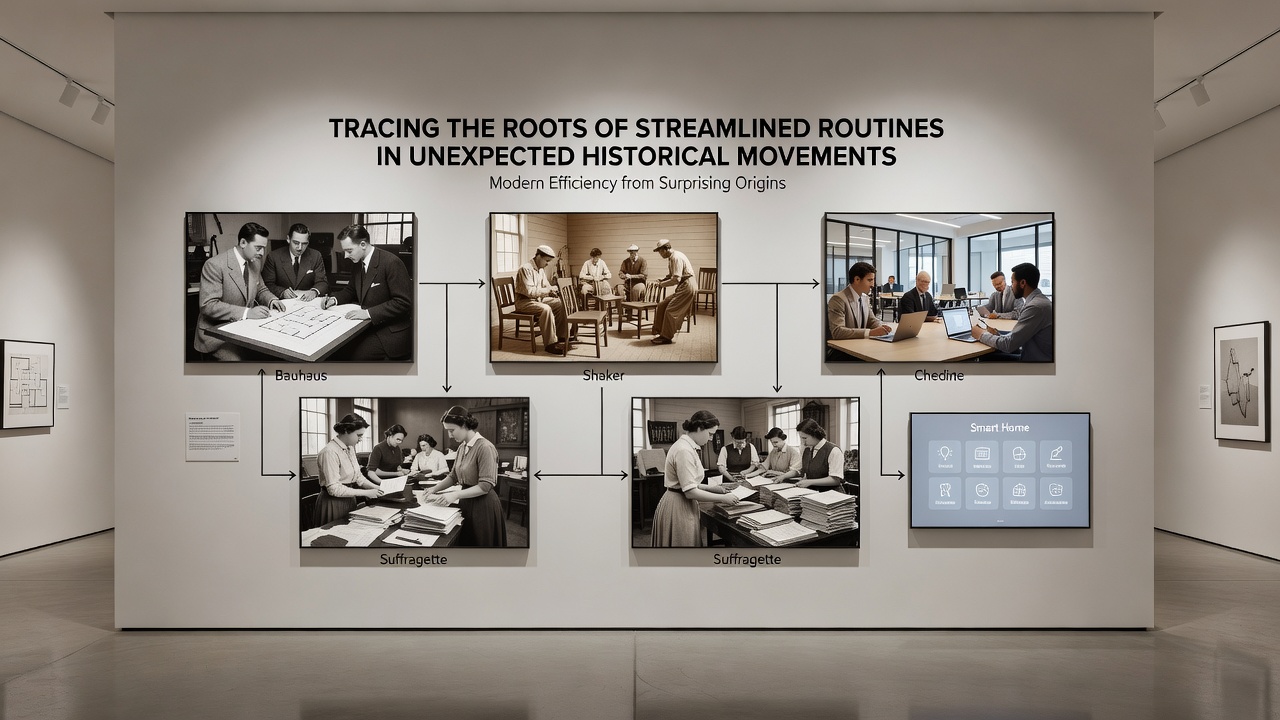
Streamlined routines trace back through centuries of organized human activity where groups sought efficiency in daily tasks amid larger social shifts, and researchers point to patterns that emerged when communities faced resource limits or structural changes. Historians note that such practices often developed in settings far removed from modern productivity discussions, including religious orders, military structures, and labor reforms that emphasized repetition and order to sustain operations over time.
Foundations in Monastic and Reform Movements
Monastic communities in medieval Europe established schedules that allocated specific hours to prayer, labor, and study, creating predictable sequences that supported group survival in isolated environments, while data from preserved manuscripts show how these divisions reduced decision fatigue during periods of scarcity. Observers note similar structures appeared in the Protestant Reformation when reformers encouraged personal discipline through fixed reading and work times, and evidence from church records indicates these habits spread among lay populations seeking stability during religious upheaval. Those patterns influenced later secular adaptations because they demonstrated measurable consistency in output without requiring constant oversight.
By the 18th century Enlightenment thinkers documented how such routines could apply beyond faith communities, and studies of period diaries reveal individuals adopting timed work blocks to manage household and intellectual tasks amid expanding trade networks. Researchers discovered that these methods gained traction in colonial administrative systems where officials needed reliable reporting cycles across distant territories, leading to standardized daily logs that later informed bureaucratic practices.
Industrial and Labor Transformations
The Industrial Revolution accelerated demand for coordinated routines as factories required synchronized shifts to maintain machinery uptime, and figures from factory ledgers compiled by the Library of Congress historical collections illustrate how workers adapted to bell-regulated sequences that minimized idle time. Labor movements in the 19th century responded by negotiating structured breaks and task rotations, with union archives showing these agreements reduced injury rates while preserving output levels during long production runs. What's interesting is how military logistics during the same era borrowed from factory models, applying drill sequences to supply chains that supported large-scale campaigns across continents.
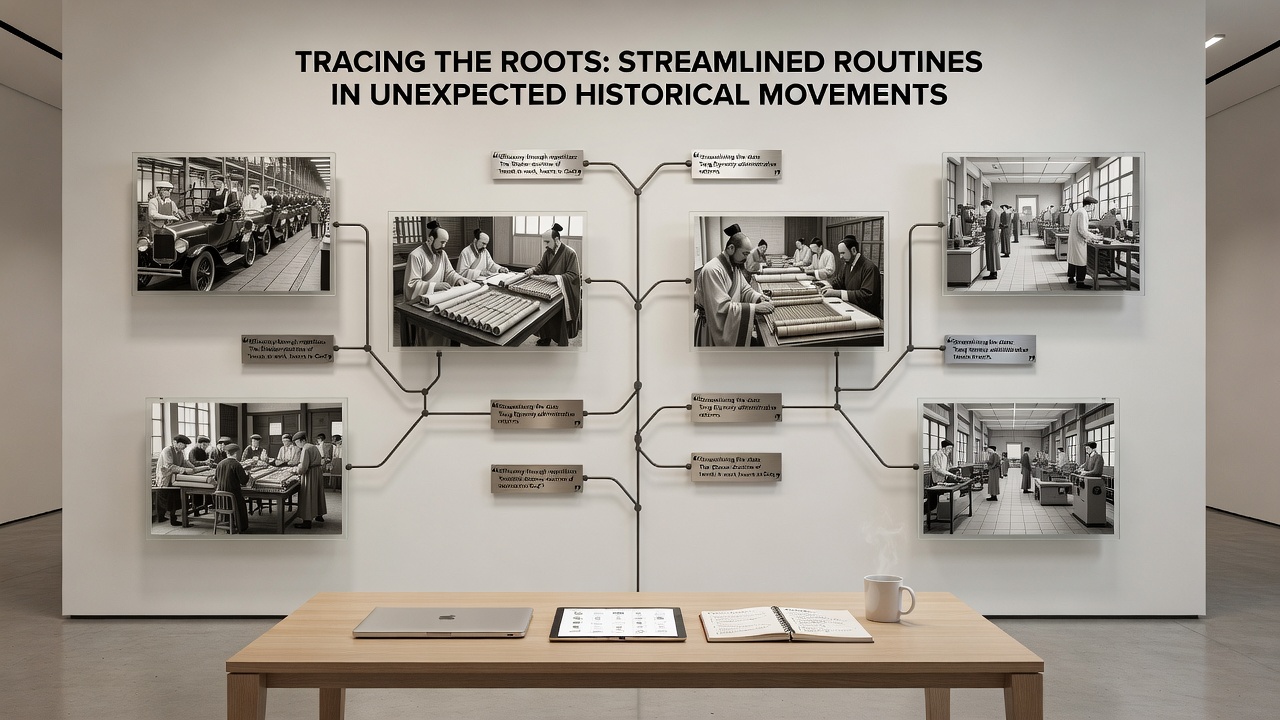
Early 20th-century efficiency studies built on these precedents when engineers examined motion patterns in assembly lines, yet the core principles echoed older monastic divisions of time rather than inventing entirely new frameworks. Data from Canadian Museum of History records on railway operations demonstrate how timetabled crew changes became essential for transcontinental consistency, and those systems later influenced civilian transportation networks that prioritized punctuality as a safety measure. Historians observe that wartime rationing in the 1940s further refined household routines around fixed shopping and meal preparation windows, with government pamphlets distributing templates that households adopted to stretch limited supplies.
Postwar Adaptations and Data Trends
After World War II, corporate training programs formalized many of these inherited sequences into employee handbooks, and reports from the Australian Bureau of Statistics on workforce participation show rising adoption of standardized morning planning rituals among expanding white-collar sectors. Observers note that civil rights and women's movements of the mid-20th century incorporated time-blocking techniques to coordinate activism alongside employment and family responsibilities, creating documented case examples in organizational meeting minutes. Those adaptations persisted because they delivered repeatable results across varied socioeconomic contexts without demanding specialized equipment.
Contemporary analyses continue to reference these lineages when examining productivity metrics released in October 2026 by international labor statistics agencies, which track how historical scheduling methods appear in current remote-work templates across multiple countries. Researchers found correlations between regions with strong monastic or industrial legacies and higher reported consistency in daily task completion rates, although causation remains under further review through longitudinal datasets.
Conclusion
Tracing these developments reveals that streamlined routines arose repeatedly when groups confronted scale, scarcity, or coordination challenges, and primary sources across centuries confirm the transfer of techniques from one movement to another through practical necessity rather than abstract theory. Continued examination of archival materials alongside 2026 statistical releases provides ongoing insight into how such patterns endure and adapt within evolving social structures.